

When it comes to using a power screwdriver, having a compatible screw tip set is crucial for achieving efficient and precise results. As a supplier of high-quality screw tip sets, I understand the importance of ensuring compatibility between the tip set and the power screwdriver. In this blog post, I will share some key factors to consider when determining if a screw tip set is compatible with your power screwdriver.
Understanding Your Power Screwdriver
Before you start looking for a compatible screw tip set, it's essential to have a good understanding of your power screwdriver. Different power screwdrivers come with various specifications, such as the chuck size, torque settings, and drive type. These specifications play a significant role in determining the compatibility of the screw tip set.
Chuck Size
The chuck is the part of the power screwdriver that holds the screw tip. It comes in different sizes, typically measured in inches or millimeters. The most common chuck sizes for power screwdrivers are 1/4 inch and 5/16 inch. To ensure compatibility, you need to choose a screw tip set with a shank diameter that matches the chuck size of your power screwdriver. For example, if your power screwdriver has a 1/4-inch chuck, you should look for a screw tip set with 1/4-inch shanks.
Torque Settings
Torque is the rotational force applied by the power screwdriver. Different screw applications require different levels of torque. Some power screwdrivers come with adjustable torque settings, allowing you to control the amount of force applied. When choosing a screw tip set, consider the torque requirements of your projects. A high-torque application may require a more durable and robust screw tip to withstand the force without breaking or stripping.
Drive Type
The drive type refers to the shape of the screw tip that fits into the screw head. Common drive types include Phillips, flathead, Torx, hex, and Pozidriv. Your power screwdriver may be designed to work with a specific drive type or a combination of them. Make sure the screw tip set you choose includes the drive types that are compatible with your power screwdriver and the screws you will be using.
Evaluating the Screw Tip Set
Once you have a clear understanding of your power screwdriver's specifications, it's time to evaluate the screw tip set itself. Here are some factors to consider:
Material Quality
The material used to make the screw tips is crucial for their durability and performance. High-quality screw tips are typically made from hardened steel or other strong alloys. These materials can withstand the high forces and repeated use without wearing out quickly. Cheaper screw tip sets may be made from lower-quality materials, which are more prone to breaking, stripping, or losing their shape.
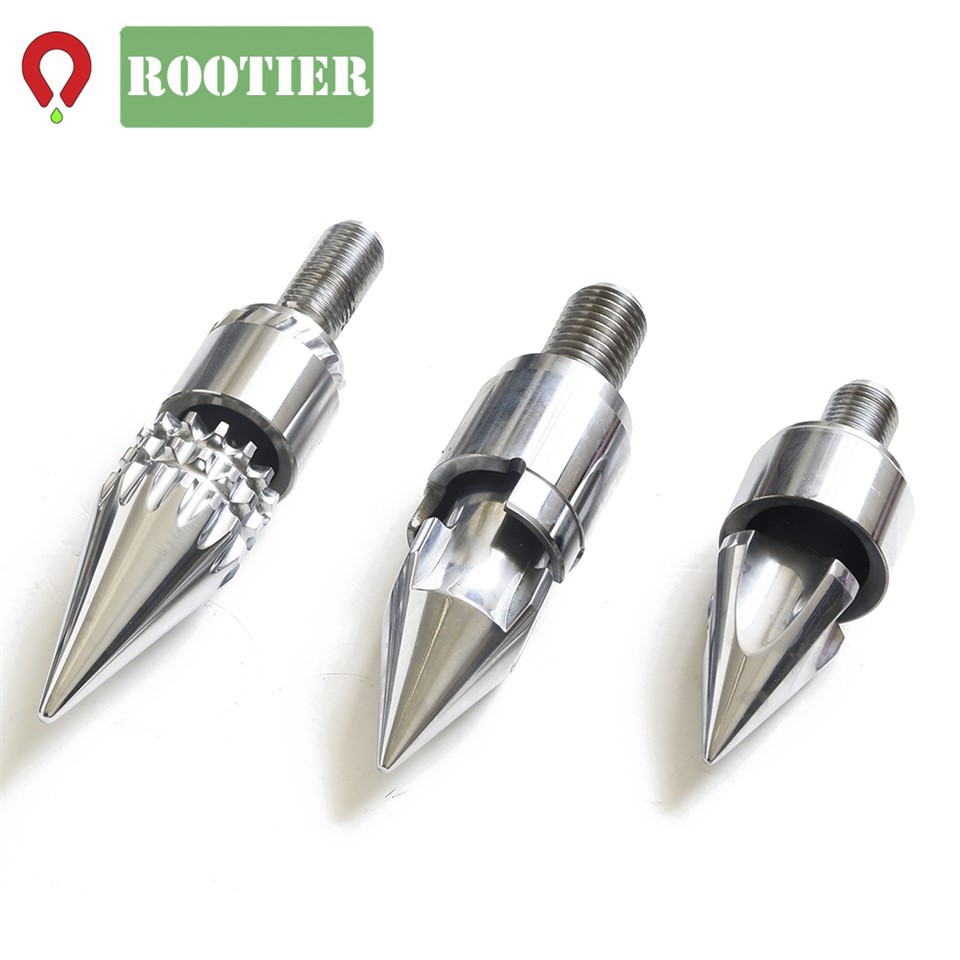

Tip Design
The design of the screw tip can also affect its compatibility and performance. Look for screw tips with precise and well-defined shapes that fit snugly into the screw heads. A good tip design ensures a secure connection, reducing the risk of slipping and damaging the screw or the workpiece. Some screw tip sets may also feature specialized designs for specific applications, such as anti-camout tips that prevent the screwdriver from slipping out of the screw head.
Set Completeness
Consider the variety of drive types and sizes included in the screw tip set. A comprehensive set will have a wide range of tips to accommodate different screw applications. This can save you time and money by eliminating the need to purchase multiple sets for different projects. Make sure the set includes the specific drive types and sizes that you need for your work.
Compatibility Testing
Even if you have carefully considered all the factors mentioned above, it's still a good idea to perform a compatibility test before using the screw tip set extensively. Here's how you can do it:
Visual Inspection
Before inserting the screw tip into the power screwdriver, visually inspect it for any signs of damage or defects. Check the shank for straightness and the tip for sharpness and proper shape. A damaged or defective screw tip may not fit correctly or may cause problems during use.
Test Fitting
Insert the screw tip into the chuck of your power screwdriver and make sure it fits securely. The tip should not wobble or move around when the screwdriver is turned on. If the tip does not fit properly, it may not transfer the torque effectively, leading to inefficient screwdriving and potential damage to the screw or the workpiece.
Test Screwdriving
Find a test surface and a few screws of the appropriate type and size. Use the power screwdriver with the screw tip to drive the screws into the test surface. Pay attention to how the screw tip performs. It should engage the screw head smoothly and drive the screw in without slipping or stripping. If you experience any issues, such as the tip slipping out of the screw head or the screw not being driven in properly, it may indicate a compatibility problem.
Conclusion
Determining if a screw tip set is compatible with your power screwdriver requires careful consideration of several factors, including the chuck size, torque settings, drive type, material quality, tip design, and set completeness. By following the guidelines outlined in this blog post and performing a compatibility test, you can ensure that you choose a screw tip set that works well with your power screwdriver and meets the requirements of your projects.
At our company, we offer a wide range of high-quality screw tip sets, including Screw Tip Mixing, Screw Tip Valve Set, and Ring Plunger Set Injection Molding. Our sets are designed to be compatible with various power screwdrivers and are made from premium materials for long-lasting performance.
If you have any questions or need help choosing the right screw tip set for your power screwdriver, please feel free to contact us. We are here to assist you in finding the perfect solution for your screwdriving needs.
References
- Wood, J. (2020). The Complete Guide to Power Tools. DIY Press.
- Smith, A. (2019). Screwdriving Techniques and Best Practices. Industrial Tool Journal.


