

Hey there! As a supplier of shut-off nozzles, I've been in the game for quite a while, and I know how crucial it is to optimize the performance of these little but mighty components. In this blog, I'm gonna share some tips and tricks on how to get the most out of your shut-off nozzles.

Understanding the Basics of Shut-Off Nozzles
First things first, let's quickly go over what shut-off nozzles are. They're essential parts in plastic injection molding and other fluid dispensing systems. Their main job is to control the flow of materials, like plastic melt or liquid silicone rubber (LSR). When the injection cycle is done, the shut-off nozzle closes to prevent the material from dripping or oozing out. This helps in getting clean, precise parts and reduces waste.
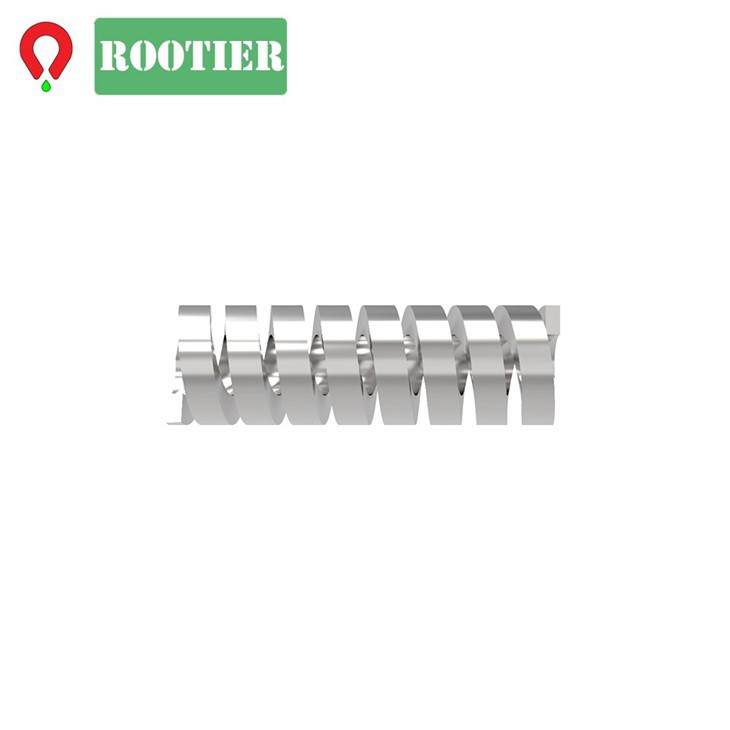
There are different types of shut-off nozzles, each with its own unique features and applications. For example, the LSR Shutoff Nozzle is specifically designed for handling LSR, which has different viscosity and flow characteristics compared to regular plastics. The Spring Shut Off Nozzle uses a spring mechanism to open and close the nozzle, providing a simple and reliable way to control the flow. And the Needle Shutoff Nozzle uses a needle to block or allow the flow of material, offering high precision in flow control.
Factors Affecting Shut-Off Nozzle Performance
Now, let's talk about the factors that can affect the performance of your shut-off nozzles.
Material Compatibility
One of the most important things is making sure the nozzle is compatible with the material you're using. Different materials have different chemical properties, viscosities, and temperatures. For example, some plastics are very abrasive, which can wear out the nozzle over time. Others might react chemically with the nozzle material, causing corrosion or degradation. So, it's crucial to choose a nozzle made from a material that can withstand the specific requirements of your application.
Temperature Control
Temperature plays a huge role in the performance of shut-off nozzles. If the temperature is too low, the material might not flow properly, leading to poor filling of the mold and uneven parts. On the other hand, if the temperature is too high, the material might degrade, causing discoloration, brittleness, or other quality issues. You need to have a good temperature control system in place to keep the nozzle and the material at the optimal temperature throughout the process.
Pressure Management
Proper pressure management is also essential. The pressure inside the nozzle affects the flow rate and the quality of the dispensed material. If the pressure is too high, it can cause the material to spray out or damage the nozzle. If the pressure is too low, the material might not fill the mold completely. You need to find the right balance and make sure the pressure is consistent during the injection process.
Maintenance and Cleaning
Regular maintenance and cleaning are key to keeping your shut-off nozzles in good working condition. Over time, material residues can build up inside the nozzle, blocking the flow path and affecting the performance. You should clean the nozzle after each use or at regular intervals, depending on the type of material and the frequency of use. Also, check for any signs of wear or damage, such as cracks, leaks, or worn-out seals, and replace the parts as needed.
Tips for Optimizing Shut-Off Nozzle Performance
Now that we know the factors that affect performance, let's look at some tips on how to optimize it.
Choose the Right Nozzle
As I mentioned earlier, choosing the right nozzle for your application is crucial. Consider the type of material, the flow rate, the pressure requirements, and the temperature range. If you're not sure which nozzle is best for you, don't hesitate to reach out to us. We have a team of experts who can help you select the most suitable nozzle based on your specific needs.
Install the Nozzle Correctly
Proper installation is essential for the optimal performance of the nozzle. Make sure the nozzle is installed in the correct position and orientation, and that all the connections are tight and leak-free. Follow the manufacturer's instructions carefully during the installation process to avoid any issues.
Monitor and Adjust the Process Parameters
Keep a close eye on the process parameters, such as temperature, pressure, and flow rate. Make adjustments as needed to ensure that the material is flowing smoothly and that the parts are being produced with the desired quality. Use sensors and monitoring devices to collect data and analyze the performance of the nozzle over time. This will help you identify any trends or issues and take corrective actions before they become major problems.
Train Your Operators
Your operators play a crucial role in the performance of the shut-off nozzles. Make sure they are properly trained on how to use and maintain the nozzles. Provide them with clear instructions and guidelines on the operation, cleaning, and troubleshooting procedures. Encourage them to report any issues or concerns immediately so that they can be addressed promptly.
Conclusion
Optimizing the performance of a shut-off nozzle is not rocket science, but it does require some knowledge, attention to detail, and regular maintenance. By understanding the factors that affect performance, choosing the right nozzle, installing it correctly, monitoring and adjusting the process parameters, and training your operators, you can ensure that your shut-off nozzles are working at their best and that you're getting the most out of your investment.
If you're looking for high-quality shut-off nozzles or need help with optimizing their performance, we're here to assist you. We offer a wide range of shut-off nozzles, including LSR Shutoff Nozzle, Spring Shut Off Nozzle, and Needle Shutoff Nozzle, and we're committed to providing excellent customer service. Contact us today to discuss your requirements and let's work together to find the best solution for your business.
References
- Injection Molding Handbook, Third Edition by O. Olafsson
- Plastics Processing: Modeling and Simulation by M. F. Doi and A. J. Giacomin


