

Ensuring the reproducibility of screw tip mixing results is a critical aspect for manufacturers across various industries, especially those involved in plastic processing. As a dedicated Screw Tip Mixing supplier, we understand the significance of consistent and reliable mixing outcomes. In this blog, we will explore the key factors and strategies to guarantee the reproducibility of screw tip mixing results.
Understanding Screw Tip Mixing
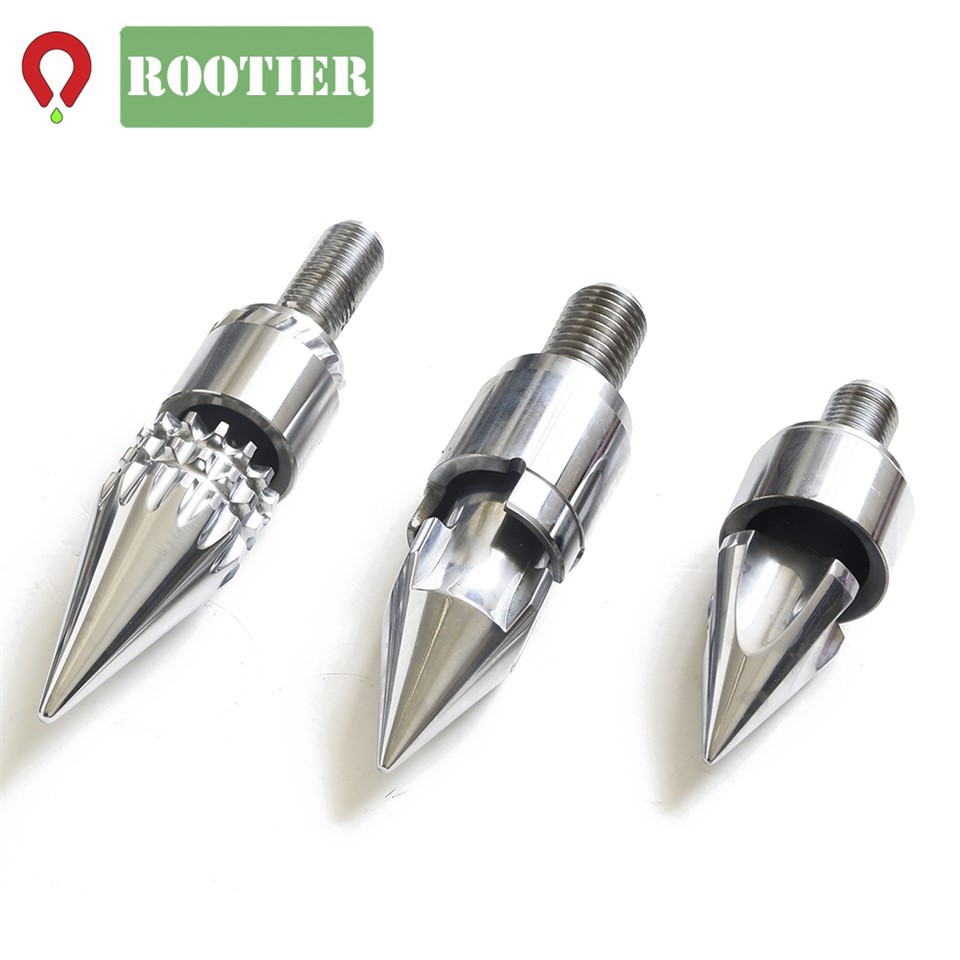
Before delving into the reproducibility aspect, it is essential to understand the concept of Screw Tip Mixing. Screw tip mixing is a process used in plastic injection molding and extrusion to blend different materials, such as polymers, additives, and colorants, to achieve a homogeneous mixture. The screw tip plays a crucial role in this process by ensuring that the materials are thoroughly mixed as they pass through the screw and into the mold or extruder.
The efficiency and effectiveness of screw tip mixing depend on several factors, including the design of the screw tip, the type of materials being mixed, the processing conditions, and the equipment used. A well-designed screw tip can significantly improve the mixing quality and reduce the variability in the final product.
Factors Affecting the Reproducibility of Screw Tip Mixing Results
1. Screw Tip Design
The design of the screw tip is one of the most critical factors affecting the reproducibility of mixing results. Different screw tip designs are available, each with its own unique characteristics and performance. For example, some screw tips are designed for high shear mixing, while others are more suitable for low shear applications.
When selecting a screw tip, it is important to consider the specific requirements of the mixing process, such as the type of materials, the desired mixing quality, and the processing conditions. A properly designed screw tip can ensure consistent and uniform mixing, while an inappropriate design can lead to poor mixing results and increased variability.
2. Material Properties
The properties of the materials being mixed also have a significant impact on the reproducibility of screw tip mixing results. Different materials have different viscosities, melting points, and flow characteristics, which can affect how they mix together. For example, materials with high viscosity may require more shear force to achieve a homogeneous mixture, while materials with low viscosity may be more prone to segregation.
It is important to carefully select the materials and ensure that they are compatible with each other and the screw tip design. Additionally, the quality and consistency of the materials can also affect the mixing results. Using high-quality materials with consistent properties can help to improve the reproducibility of the mixing process.
3. Processing Conditions
The processing conditions, such as temperature, pressure, and screw speed, can also affect the reproducibility of screw tip mixing results. These conditions can influence the flow behavior of the materials and the shear force applied during the mixing process. For example, increasing the temperature can reduce the viscosity of the materials and improve their flowability, while increasing the screw speed can increase the shear force and improve the mixing efficiency.
It is important to optimize the processing conditions for each specific mixing application to ensure consistent and reproducible results. This may require conducting experiments and adjusting the processing parameters until the desired mixing quality is achieved.
4. Equipment Maintenance
The condition of the equipment used for screw tip mixing can also affect the reproducibility of the results. Over time, the screw tip and other components of the mixing equipment can wear out, which can lead to changes in the mixing performance. Regular maintenance and inspection of the equipment can help to identify and address any issues before they affect the mixing results.
This includes cleaning the screw tip and other components, checking for wear and damage, and replacing any worn or damaged parts. Additionally, using high-quality equipment and following the manufacturer's recommendations for maintenance can help to ensure the long-term reliability and reproducibility of the mixing process.

Strategies to Ensure the Reproducibility of Screw Tip Mixing Results
1. Standardize the Mixing Process
One of the most effective ways to ensure the reproducibility of screw tip mixing results is to standardize the mixing process. This includes defining the specific steps and parameters for the mixing process, such as the type and amount of materials, the processing conditions, and the equipment settings.
By following a standardized process, it is easier to control the variables and ensure that the same results are achieved each time the mixing process is performed. This can also help to reduce the variability in the final product and improve the overall quality and consistency.
2. Use Quality Control Measures
Implementing quality control measures can also help to ensure the reproducibility of screw tip mixing results. This includes conducting regular inspections and tests of the mixed materials to ensure that they meet the desired quality standards. For example, visual inspections can be used to check for any signs of poor mixing, such as streaks or lumps, while analytical tests can be used to measure the physical and chemical properties of the materials.
By monitoring the quality of the mixed materials and taking corrective actions when necessary, it is possible to ensure that the mixing process is consistently producing high-quality results.
3. Train the Operators
The operators involved in the screw tip mixing process play a crucial role in ensuring the reproducibility of the results. They need to have a good understanding of the mixing process, the equipment, and the factors that can affect the mixing results. Providing comprehensive training to the operators can help to ensure that they are using the equipment correctly and following the standardized process.
This includes training on the operation of the mixing equipment, the selection and handling of the materials, and the implementation of the quality control measures. Additionally, providing ongoing support and feedback to the operators can help to improve their skills and knowledge and ensure that they are able to consistently produce high-quality mixing results.
4. Choose the Right Screw Tip and Equipment
As mentioned earlier, the design of the screw tip and the quality of the equipment used for mixing can have a significant impact on the reproducibility of the results. It is important to choose a screw tip that is suitable for the specific mixing application and to use high-quality equipment that is well-maintained and calibrated.
At our company, we offer a wide range of Screw Tip Mixing products, including Screw Tip Valve Set and Ring Plunger Set Injection Molding, that are designed to provide consistent and reliable mixing results. Our products are made from high-quality materials and are manufactured to the highest standards of quality and precision.
Conclusion
Ensuring the reproducibility of screw tip mixing results is essential for manufacturers who require consistent and high-quality products. By understanding the factors that affect the reproducibility of the results and implementing the strategies outlined in this blog, it is possible to improve the reliability and consistency of the screw tip mixing process.
At our company, we are committed to providing our customers with the highest quality Screw Tip Mixing products and solutions. If you have any questions or need further information about our products or services, please do not hesitate to contact us. We look forward to working with you to ensure the success of your mixing applications.
References
- Beckmann, S. (2018). Plastic Processing Technology. Carl Hanser Verlag.
- Rosato, D. V., & Rosato, D. V. (2004). Injection Molding Handbook. John Wiley & Sons.
- Tadmor, Z., & Gogos, C. G. (2006). Principles of Polymer Processing. John Wiley & Sons.


