

Hey there! As a supplier of Nozzle Shut Off Valve, I've seen firsthand how crucial it is to optimize energy consumption in these valves. In this blog, I'm gonna share some tips and tricks on how you can do just that.
Understanding the Basics
First things first, let's talk about what a nozzle shut off valve does. These valves are used in injection molding and other plastic processing applications to control the flow of molten plastic. When the valve is open, plastic can flow through the nozzle and into the mold. When it's closed, the flow stops. This helps prevent drooling and stringing of plastic, which can lead to defects in the final product.
Now, energy consumption in these valves mainly comes from two sources: the heating elements used to keep the plastic molten and the actuators that open and close the valve. So, to optimize energy consumption, we need to focus on these two areas.
Optimizing Heating
The heating elements in a nozzle shut off valve are essential for keeping the plastic at the right temperature. If the plastic gets too cold, it won't flow properly. But if it gets too hot, it can degrade and cause problems. Here are some ways to optimize the heating process:
- Use the Right Temperature Settings: Make sure you're using the recommended temperature settings for the type of plastic you're processing. Different plastics have different melting points, so you need to adjust the temperature accordingly. Overheating the plastic not only wastes energy but can also damage the valve and the plastic itself.
- Insulate the Nozzle: Adding insulation to the nozzle can help reduce heat loss. This means the heating elements don't have to work as hard to maintain the desired temperature. There are various types of insulation materials available, such as ceramic fiber blankets or high-temperature foam.
- Use Energy-Efficient Heating Elements: Some heating elements are more energy-efficient than others. Look for elements that have a high watt density and are designed to heat up quickly and evenly. This can help reduce the overall energy consumption of the valve.
Optimizing Actuators
The actuators in a nozzle shut off valve are responsible for opening and closing the valve. There are different types of actuators, such as pneumatic, hydraulic, and electric. Here's how you can optimize their energy consumption:
- Choose the Right Actuator Type: The type of actuator you choose depends on your specific application. Pneumatic actuators are generally more energy-efficient than hydraulic actuators because they use compressed air instead of hydraulic fluid. Electric actuators can also be very efficient, especially if they're designed with energy-saving features.
- Adjust the Actuator Settings: Make sure the actuator is set to open and close the valve at the right time and with the right force. Over-actuating the valve can waste energy, while under-actuating it can lead to leaks and other problems.
- Maintain the Actuators: Regular maintenance of the actuators is crucial for optimal performance. This includes cleaning, lubricating, and checking for any signs of wear or damage. A well-maintained actuator will use less energy and last longer.
Other Considerations
In addition to optimizing the heating and actuators, there are some other things you can do to reduce the energy consumption of a nozzle shut off valve:
- Reduce Cycle Times: If possible, try to reduce the cycle times of your injection molding process. This means the valve will be open and closed less frequently, which can save energy. You can do this by optimizing your mold design, increasing the injection speed, or using a faster-acting valve.
- Use a Variable Frequency Drive (VFD): If you're using an electric actuator, consider using a VFD. A VFD allows you to control the speed and torque of the actuator, which can help reduce energy consumption. It also provides more precise control over the valve operation.
- Monitor and Analyze Energy Usage: Keep track of the energy consumption of your nozzle shut off valve over time. This can help you identify any trends or areas where you can make improvements. You can use energy monitoring devices or software to collect and analyze this data.
Types of Nozzle Shut Off Valves
There are different types of nozzle shut off valves available, each with its own advantages and disadvantages. Let's take a look at some of the most common types:
- Injection Molding Shut Off Nozzle: These valves are specifically designed for injection molding applications. They offer precise control over the flow of plastic and can help improve the quality of the final product.
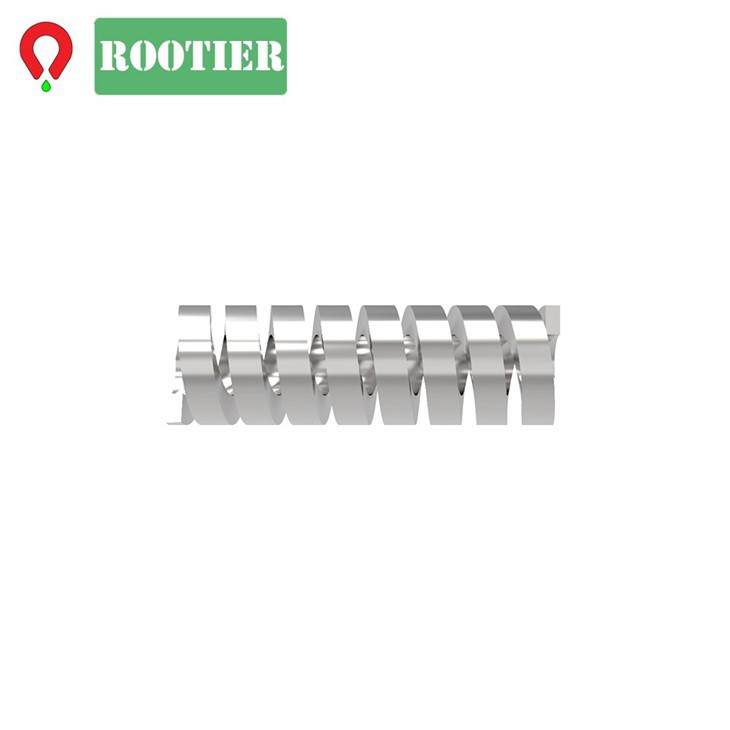
- Spring Shut Off Nozzle: Spring shut off nozzles use a spring mechanism to open and close the valve. They're relatively simple and cost-effective, but they may not offer as much control as other types of valves.
Conclusion
Optimizing the energy consumption of a nozzle shut off valve is not only good for the environment but also for your bottom line. By following the tips and tricks outlined in this blog, you can reduce your energy costs, improve the performance of your valve, and increase the quality of your products.

If you're interested in learning more about our Nozzle Shut Off Valve or have any questions about energy optimization, don't hesitate to reach out. We're here to help you find the best solution for your needs.
References
- "Plastic Injection Molding Handbook" by Rosato, Rosato, and Schott
- "Energy Efficiency in Manufacturing" by various authors


