

Selecting the right gasket for a screw tip valve set is a crucial decision that can significantly impact the performance, efficiency, and longevity of your plastic machinery. As a trusted Screw Tip Valve Set supplier, I understand the importance of this choice and am here to guide you through the process.
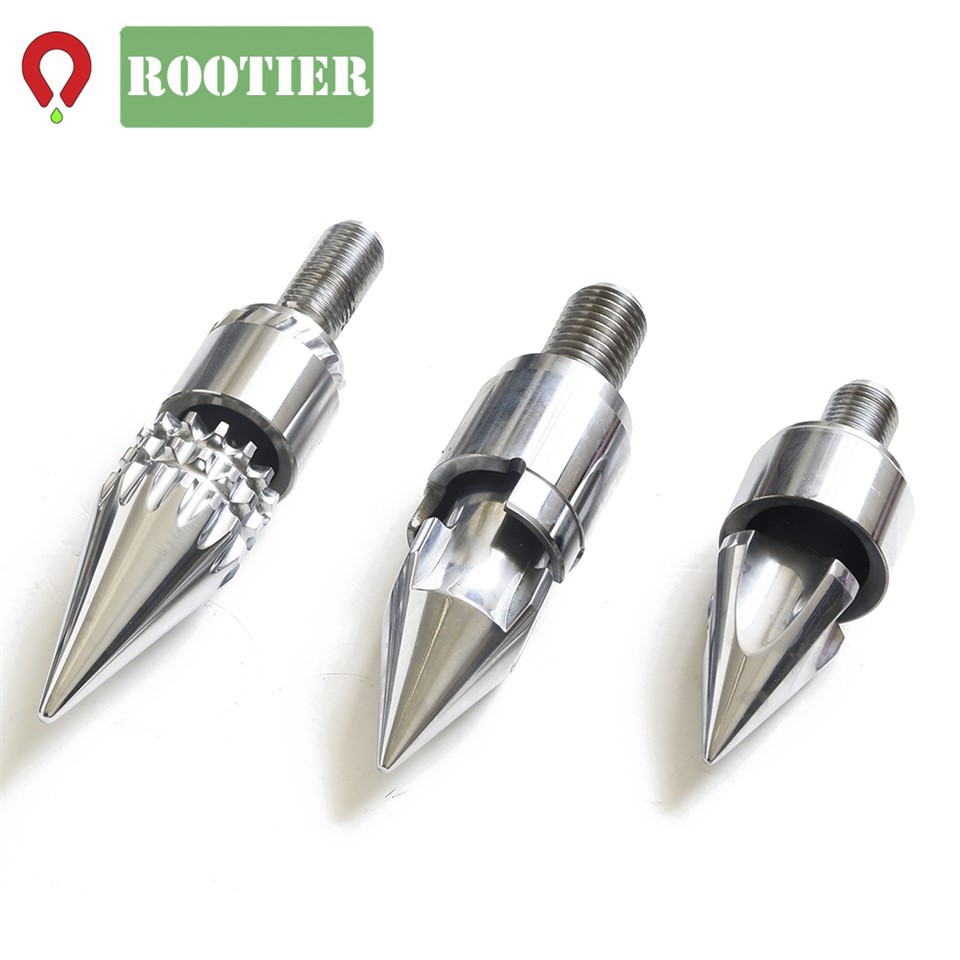
Understanding the Role of Gaskets in Screw Tip Valve Sets
Gaskets play a vital role in screw tip valve sets by creating a seal between different components. They prevent leakage of molten plastic, ensure proper pressure distribution, and protect the valve set from contamination. A well - chosen gasket can enhance the overall functionality of the screw tip valve set, leading to higher quality plastic products and reduced downtime.
Factors to Consider When Selecting a Gasket
Material Compatibility
The first and most important factor is material compatibility. The gasket material must be able to withstand the chemical and physical properties of the plastic being processed. For example, if you are working with high - temperature plastics such as polycarbonate or polyphenylene sulfide (PPS), you need a gasket material that can resist high temperatures without deforming or losing its sealing properties. Common gasket materials include rubber, silicone, and fluoropolymers. Rubber gaskets are cost - effective and suitable for low - temperature applications. Silicone gaskets offer good temperature resistance and flexibility, while fluoropolymers like Viton are highly resistant to chemicals and high temperatures.
Pressure and Temperature Ratings
The operating pressure and temperature of your screw tip valve set are critical considerations. Gaskets have specific pressure and temperature ratings, and it is essential to choose a gasket that can handle the conditions in your plastic processing environment. High - pressure applications require gaskets with excellent compressive strength to maintain a tight seal. Similarly, high - temperature applications demand gaskets that can resist thermal degradation. Before making a selection, you should accurately determine the maximum pressure and temperature your valve set will experience during operation.
Size and Shape
The size and shape of the gasket must match the specifications of your screw tip valve set. A gasket that is too large or too small will not create an effective seal, leading to leakage and potential damage to the valve set. It is important to measure the dimensions of the mating surfaces precisely and choose a gasket with the correct inner and outer diameters, thickness, and shape. Some gaskets are custom - made to fit unique valve set designs, while others are available in standard sizes.
Sealing Performance
The primary function of a gasket is to provide a reliable seal. Consider the type of seal required for your application. Some gaskets are designed for static seals, where there is no relative movement between the mating surfaces. Others are suitable for dynamic seals, where there is movement such as rotation or reciprocation. The sealing performance of a gasket can also be affected by factors such as surface finish, flatness, and the presence of any irregularities on the mating surfaces.
Different Types of Gaskets for Screw Tip Valve Sets
O - Rings
O - rings are one of the most commonly used gaskets in screw tip valve sets. They are circular in shape and made of elastomeric materials such as rubber or silicone. O - rings are known for their excellent sealing properties, simplicity, and cost - effectiveness. They can be used in both static and dynamic sealing applications. O - rings are available in a wide range of sizes and materials, making them suitable for various plastic processing conditions.
Flat Gaskets
Flat gaskets are typically made of a flat sheet of material and are used to seal flat mating surfaces. They can be made from materials such as paper, cork, rubber, or metal. Flat gaskets are easy to install and can provide a good seal when properly compressed. They are often used in applications where a large sealing area is required.

Spiral Wound Gaskets
Spiral wound gaskets are constructed by winding a metal strip and a filler material in a spiral pattern. They offer high - pressure and high - temperature resistance and are commonly used in industrial applications. Spiral wound gaskets are suitable for applications where a reliable seal is required under extreme conditions.
Our Product Offerings
As a Screw Tip Valve Set supplier, we offer a wide range of gasket options to meet the diverse needs of our customers. Our Screw Tip Mixing products are designed to provide efficient mixing of molten plastic, and we have the right gaskets to ensure a leak - free operation. Our Ring Plunger Set Injection Molding products also require high - quality gaskets, and we can provide you with the appropriate ones based on your specific requirements. Our Screw Tip Valve Set is known for its durability and performance, and our gaskets are an integral part of ensuring its optimal functionality.
Case Studies
Let's take a look at some real - world examples of how choosing the right gasket can make a difference. A plastic injection molding company was experiencing frequent leaks in their screw tip valve sets, which led to production delays and increased costs. After consulting with us, we recommended a high - temperature fluoropolymer gasket for their application. The new gasket effectively sealed the valve set, eliminating the leaks and improving the overall efficiency of the production process. Another customer in the extrusion industry was facing issues with gasket degradation due to the high - pressure and high - temperature environment. We provided them with a spiral wound gasket that could withstand the extreme conditions, resulting in a longer gasket lifespan and reduced maintenance requirements.
How to Ensure a Proper Installation
Proper installation of the gasket is as important as selecting the right one. Here are some tips to ensure a successful installation: 1. Clean the Mating Surfaces: Before installing the gasket, make sure the mating surfaces are clean and free of any debris, oil, or contaminants. A dirty surface can prevent the gasket from creating a proper seal. 2. Use the Right Tools: Use the appropriate tools for installation to avoid damaging the gasket. For example, when installing an O - ring, use a proper O - ring installation tool to prevent stretching or cutting the ring. 3. Apply the Correct Torque: If the gasket is installed using bolts or screws, apply the correct torque to ensure even compression of the gasket. Over - tightening can damage the gasket, while under - tightening can result in a leaky seal. 4. Follow the Manufacturer's Instructions: Always follow the manufacturer's instructions for gasket installation. These instructions are based on the specific design and requirements of the gasket and can help you achieve the best results.
Maintenance and Replacement
Regular maintenance and timely replacement of gaskets are essential to ensure the continued performance of your screw tip valve set. Inspect the gaskets regularly for signs of wear, damage, or degradation. If you notice any cracks, tears, or loss of elasticity, it is time to replace the gasket. Additionally, if you change the plastic material being processed or the operating conditions of your valve set, you may need to re - evaluate the gasket selection to ensure compatibility.
Conclusion
Selecting the right gasket for a screw tip valve set is a complex but critical task. By considering factors such as material compatibility, pressure and temperature ratings, size and shape, and sealing performance, you can make an informed decision. As a Screw Tip Valve Set supplier, we are committed to providing you with high - quality gaskets and expert advice to help you optimize the performance of your plastic machinery. If you have any questions or need assistance in selecting the right gasket for your application, please feel free to contact us for procurement and further discussions.
References
- "Handbook of Plastic Materials and Technology" by Irving I. Rubin
- "Sealing Technology" by Chris Johnson
- Industry standards and guidelines for plastic machinery components


