

Hey there! I'm a supplier of Shut Off Nozzles, and I know how frustrating it can be when you're dealing with a nozzle that won't shut off. In this blog, I'll share some tips on how to troubleshoot this common issue.
1. Check for Physical Blockages
The first thing you should do when a nozzle won't shut off is to check for any physical blockages. Sometimes, debris, dirt, or solidified material can get stuck in the nozzle, preventing it from closing properly.
- Inspect the Nozzle Tip: Take a close look at the tip of the nozzle. If you see any visible blockages, you can try to remove them gently with a soft brush or a thin wire. Be careful not to damage the nozzle while doing this.
- Flush the Nozzle: If the blockage is not visible or is deeper inside the nozzle, you can try flushing it with a suitable cleaning solution. Make sure to follow the manufacturer's instructions for the cleaning solution and the flushing process.
2. Examine the Shut - Off Mechanism
The shut - off mechanism is the heart of the nozzle, and any problems with it can cause the nozzle not to shut off.
- Check the Valve: The Nozzle Shut Off Valve is a crucial part of the shut - off system. Look for any signs of wear, damage, or misalignment. If the valve is damaged, it may need to be replaced.
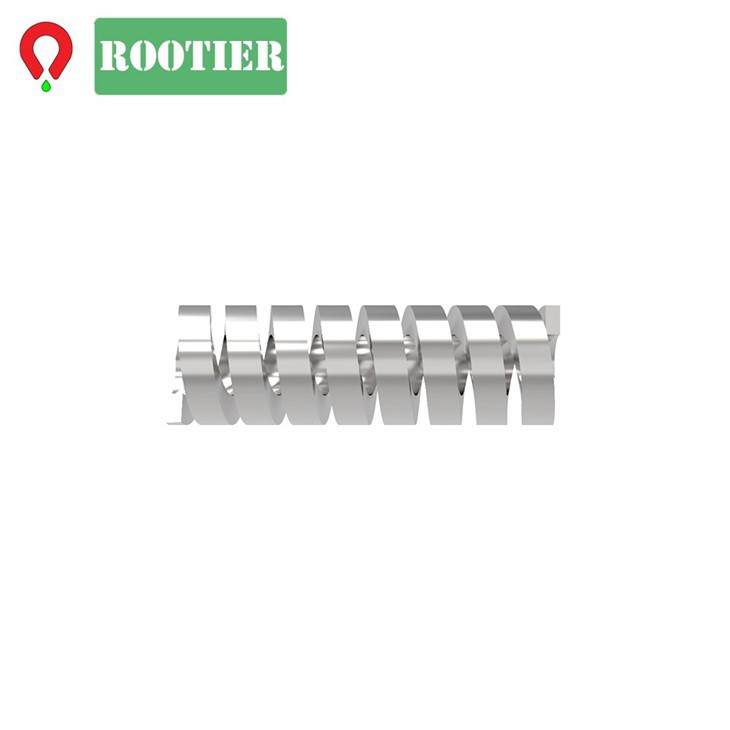
- Inspect the Spring: In a Spring Shut Off Nozzle, the spring plays a vital role in closing the nozzle. Check if the spring is broken, weakened, or out of place. A faulty spring can prevent the nozzle from shutting off properly. You may need to replace the spring if it's damaged.
3. Evaluate the Pressure and Flow
Incorrect pressure and flow can also lead to a nozzle that won't shut off.
- Check the Pressure Settings: Make sure that the pressure settings of your system are correct. Too much pressure can force the nozzle to stay open, while too little pressure may not allow the shut - off mechanism to work effectively. Refer to the equipment manual to adjust the pressure settings.
- Examine the Flow Rate: An excessive flow rate can overwhelm the shut - off mechanism. Check if the flow rate is within the recommended range for the nozzle. If it's too high, you may need to adjust the flow control valve or the pump settings.
4. Look for Leaks
Leaks in the system can cause the nozzle to act erratically and not shut off properly.
- Inspect the Connections: Check all the connections around the nozzle, including hoses, fittings, and couplings. Look for any signs of leakage, such as dripping or spraying. Tighten any loose connections or replace any damaged seals or gaskets.
- Check the Nozzle Body: Examine the nozzle body for cracks or holes. A damaged nozzle body can allow fluid to leak, which may affect the shut - off performance. If you find any damage, you'll need to replace the nozzle.
5. Consider the Material Compatibility
The material being dispensed through the nozzle can also have an impact on its performance.
- Verify the Material Viscosity: Some materials may be too viscous for the nozzle, causing it to clog or not shut off properly. Make sure that the material's viscosity is within the recommended range for the nozzle. You may need to adjust the temperature or use a different type of nozzle for high - viscosity materials.
- Check for Chemical Reactions: Certain materials may react with the nozzle material, causing corrosion or damage. Ensure that the material is compatible with the nozzle's construction material. If there's a compatibility issue, you may need to choose a different nozzle made from a more suitable material, like our LSR Shutoff Nozzle.
6. Review the Electrical Components (if applicable)
If your shut - off nozzle is electrically operated, electrical issues can cause it not to shut off.

- Check the Wiring: Inspect the wiring for any signs of damage, such as frayed wires or loose connections. Make sure that all the electrical connections are secure.
- Test the Control Unit: If the nozzle is controlled by a control unit, test the unit to ensure that it's functioning correctly. You may need to consult the manufacturer's manual or a professional technician for troubleshooting the control unit.
Conclusion
Troubleshooting a nozzle that won't shut off can be a bit of a headache, but by following these steps, you should be able to identify and fix the problem. Remember to always follow the manufacturer's instructions and safety guidelines when working on your equipment.
If you've tried all these troubleshooting steps and still can't get your nozzle to work properly, or if you're looking for high - quality shut - off nozzles for your applications, we're here to help. We're a trusted supplier of shut - off nozzles, and we offer a wide range of products to meet your needs. Contact us to discuss your requirements and start a procurement negotiation. We're confident that we can provide you with the right solution for your business.
References
- Manufacturer's manuals of shut - off nozzles
- Industry standards and best practices for nozzle maintenance and troubleshooting


