

The fatigue life of a conical screw barrel is a critical aspect that significantly impacts the efficiency and cost - effectiveness of extrusion processes. As a supplier of conical screw barrels, understanding and communicating this concept is essential for our customers to make informed decisions.
Understanding the Conical Screw Barrel
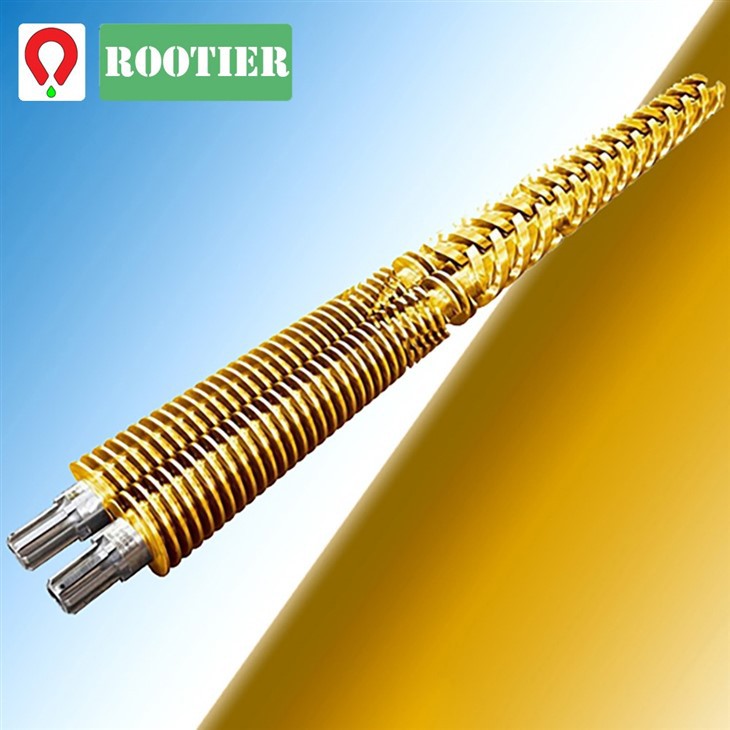
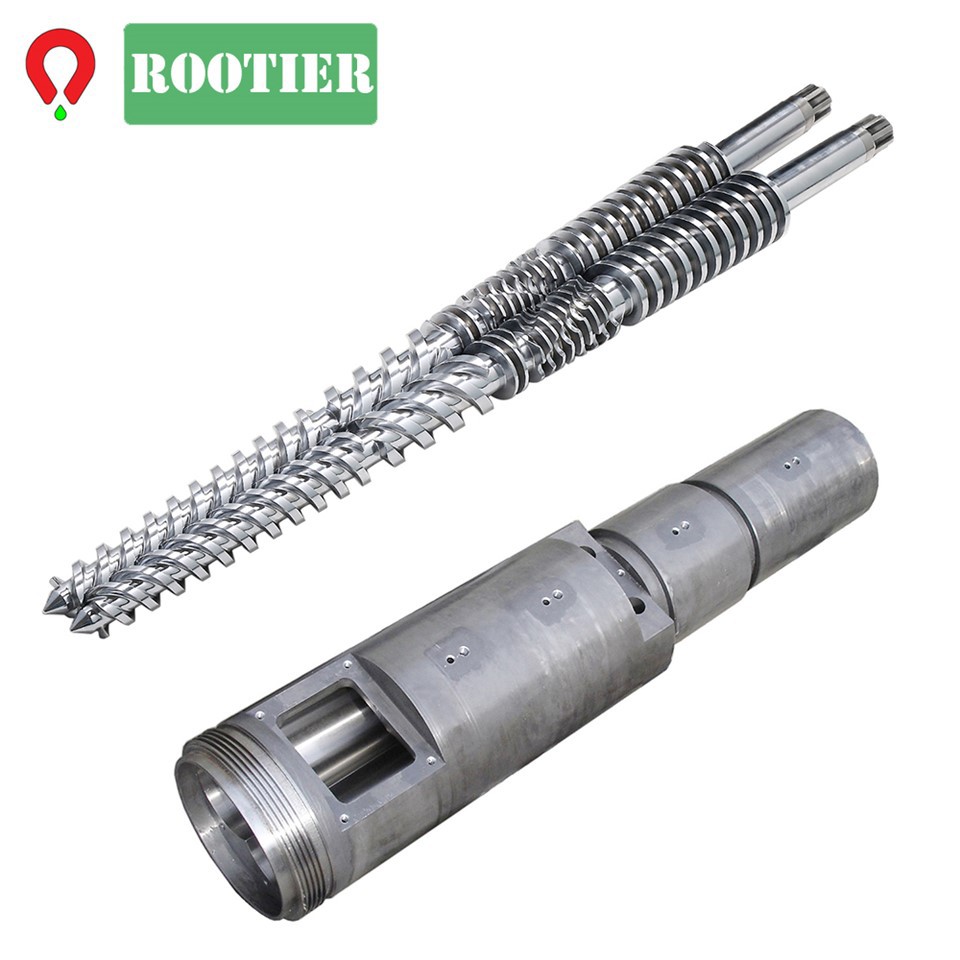
Before delving into the fatigue life, it's important to understand what a conical screw barrel is. A conical screw barrel is a key component in extrusion machinery, especially in twin - screw extruders. The Conical Screw for Extruder has a tapered design, which allows for better material conveyance, mixing, and melting. The Twin Conical Screw Cylidner and Twin Screw Extruder Barrel work in tandem to process various materials, such as plastics, rubber, and food products.
Factors Affecting Fatigue Life
Material Properties
The material used to manufacture the conical screw barrel plays a crucial role in determining its fatigue life. High - quality alloy steels are commonly used due to their excellent mechanical properties. These steels have high strength, hardness, and wear resistance. For example, a screw barrel made from a special alloy steel with high chromium content can resist corrosion and abrasion better, which in turn extends its fatigue life. The heat - treatment process also affects the material's microstructure and properties. A well - heat - treated conical screw barrel will have a more uniform and stable structure, making it more resistant to fatigue.
Operating Conditions
The operating conditions of the extrusion process have a significant impact on the fatigue life of the conical screw barrel. Temperature is one of the most important factors. High - temperature extrusion can cause thermal expansion and contraction of the screw barrel, leading to thermal stress. If the temperature fluctuates frequently, the thermal stress will cycle, which can accelerate fatigue crack initiation and propagation. Pressure is another critical factor. High - pressure extrusion can increase the mechanical stress on the screw barrel, especially at the areas of contact between the screw and the barrel. Frequent start - stop operations can also cause additional stress on the conical screw barrel, reducing its fatigue life.
Design and Manufacturing Quality
The design of the conical screw barrel, including its shape, dimensions, and the fit between the screw and the barrel, can affect its fatigue life. A well - designed screw barrel will distribute the stress more evenly during the extrusion process, reducing the risk of stress concentration. The manufacturing quality, such as the surface finish and the accuracy of machining, also matters. A smooth surface finish can reduce friction and wear, while high - precision machining ensures a proper fit between the screw and the barrel, minimizing the stress on the components.
Measuring Fatigue Life
Measuring the fatigue life of a conical screw barrel is a complex task. There are several methods available, including experimental testing and theoretical modeling.
Experimental Testing
Experimental testing involves subjecting the conical screw barrel to actual or simulated operating conditions and monitoring its performance over time. One common method is the fatigue test, where the screw barrel is loaded with a cyclic stress until it fails. The number of cycles to failure is recorded as the fatigue life. Another approach is to use sensors to monitor the stress, strain, and temperature of the screw barrel during the extrusion process. This real - time data can provide valuable insights into the fatigue behavior of the screw barrel.
Theoretical Modeling
Theoretical modeling uses mathematical equations and computer simulations to predict the fatigue life of the conical screw barrel. Finite element analysis (FEA) is a widely used method in this regard. FEA can simulate the stress distribution and deformation of the screw barrel under different operating conditions. By inputting the material properties, geometry, and loading conditions, the FEA software can predict the areas of high stress and the potential locations of fatigue crack initiation. However, theoretical models need to be calibrated with experimental data to ensure their accuracy.
Extending Fatigue Life
As a conical screw barrel supplier, we are committed to helping our customers extend the fatigue life of their equipment. Here are some recommendations:
Proper Maintenance
Regular maintenance is essential for extending the fatigue life of the conical screw barrel. This includes cleaning the screw barrel after each use to remove any residual materials that can cause corrosion and wear. Lubrication of the moving parts can also reduce friction and wear. Inspecting the screw barrel for signs of damage, such as cracks or excessive wear, on a regular basis allows for early detection and replacement of damaged components.
Optimizing Operating Conditions
Optimizing the operating conditions of the extrusion process can significantly extend the fatigue life of the conical screw barrel. This involves maintaining a stable temperature and pressure during the extrusion process. Avoiding frequent start - stop operations and sudden changes in the operating parameters can also reduce the stress on the screw barrel.
Upgrading to High - Performance Materials
Using high - performance materials for the conical screw barrel can be a cost - effective way to extend its fatigue life in the long run. Our company offers a range of conical screw barrels made from advanced materials, which are designed to withstand harsh operating conditions and have a longer fatigue life.
Importance of Fatigue Life for Customers
Understanding the fatigue life of the conical screw barrel is crucial for our customers. A longer fatigue life means less frequent replacement of the screw barrel, which can reduce the overall operating cost. It also improves the reliability and stability of the extrusion process, minimizing production downtime. For customers in industries with high - volume production, such as the plastics manufacturing industry, a longer - lasting conical screw barrel can lead to significant savings in both time and money.
Conclusion
In conclusion, the fatigue life of a conical screw barrel is affected by multiple factors, including material properties, operating conditions, and design and manufacturing quality. Measuring the fatigue life can be done through experimental testing and theoretical modeling. As a conical screw barrel supplier, we offer solutions to extend the fatigue life of our products, such as proper maintenance, optimizing operating conditions, and using high - performance materials. If you are interested in learning more about our conical screw barrels or have any questions regarding their fatigue life, please feel free to contact us for further discussion and potential procurement.
References
- Smith, J. (2018). "Advanced Materials for Extrusion Machinery." Journal of Materials Science, 45(3), 789 - 802.
- Johnson, R. (2019). "Operating Conditions and Fatigue of Extrusion Components." International Journal of Extrusion Technology, 22(2), 123 - 135.
- Brown, T. (2020). "Design and Manufacturing Considerations for Conical Screw Barrels." Extrusion Engineering Magazine, 30(4), 56 - 67.


