

Hey there! As a supplier of conical barrels, I often get asked about what's going on inside these things. So, I thought I'd break it down and share all about the internal structure of a conical barrel.
Let's start with the basics. A conical barrel, as the name suggests, has a conical shape. It tapers from a wider end to a narrower end. This shape isn't just for show; it serves some important functions in various industrial applications.
The Inner Lining
The first thing you'll notice when you peek inside a conical barrel is the inner lining. This lining is crucial as it comes into direct contact with the materials being processed. It's usually made from high - quality, wear - resistant materials. For instance, some conical barrels have a lining made of special alloys that can withstand high temperatures and abrasion. This is especially important when the barrel is used in processes like extrusion, where materials are forced through under high pressure.
The thickness of the lining also matters. A thicker lining can provide more durability and protection for the barrel's body. But it's a balancing act because a too - thick lining can also reduce the effective volume of the barrel. So, we carefully select the lining thickness based on the specific application and the type of materials that will be processed.
The Screw Mechanism
One of the most important parts of the internal structure of a conical barrel is the screw mechanism. This screw runs through the center of the barrel and plays a key role in moving materials from one end to the other. The screw has a helical shape, which allows it to grip the materials and push them forward as it rotates.
The design of the screw can vary depending on the application. For example, in a Twin Screw Extruder Barrel, there are two screws working in tandem. These twin screws can provide more efficient mixing and conveying of materials compared to a single - screw design. They can break down large particles, disperse additives, and ensure a more uniform flow of the material through the barrel.
Similarly, a Double Screw Extruder Barrel also has a double - screw setup. The screws in these barrels are often designed with different pitches and flight depths along their length. This variation helps in different stages of material processing, such as feeding, melting, and metering.
In a Parallel Twin Screw Barrel, the two screws run parallel to each other. This design is great for applications where a high degree of mixing and kneading is required. The parallel screws can create a complex flow pattern that enhances the interaction between different components of the material.
Heating and Cooling Zones
Another important aspect of the internal structure is the heating and cooling zones. In many industrial processes, materials need to be heated to a certain temperature to melt or become more fluid. Conical barrels are often equipped with heating elements, such as electric heaters or hot oil systems. These heating elements are strategically placed along the barrel to ensure uniform heating.
On the other hand, there are also cooling zones. After the materials have been processed at a high temperature, they may need to be cooled down quickly to solidify or set. Cooling can be achieved through water jackets or air - cooling systems. The cooling rate is carefully controlled to avoid issues like warping or cracking of the final product.
Venting Ports
Venting ports are also an essential part of the conical barrel's internal structure. During the processing of materials, gases can be generated. These gases need to be removed to prevent defects in the final product. Venting ports allow these gases to escape from the barrel.
The location and size of the venting ports are carefully designed. They are usually placed at points where the gas is likely to accumulate. For example, in the melting zone of the barrel, where the material is changing from a solid to a liquid state, a lot of gas can be released. So, there are often venting ports in this area to let the gas out.
Sealing Mechanisms
To ensure that the materials inside the barrel don't leak out and that the process is efficient, there are sealing mechanisms. These seals are located at the ends of the barrel and around the screw shafts. They prevent the material from escaping and also keep out contaminants.
The seals are made from materials that can withstand the high pressures and temperatures inside the barrel. Some common seal materials include rubber compounds and metal gaskets. The design of the seals is also important. A well - designed seal can provide a tight fit and prevent any leakage, which is crucial for maintaining the quality of the process and the safety of the operators.
Why It All Matters
Understanding the internal structure of a conical barrel is important for several reasons. For manufacturers, it helps in choosing the right barrel for their specific application. Different industries have different requirements, and the internal design of the barrel can have a big impact on the quality and efficiency of the production process.
For operators, knowing how the barrel works inside can help in troubleshooting. If there are issues like poor material flow or uneven mixing, understanding the internal components can help in identifying the problem and finding a solution.
As a conical barrel supplier, we take great pride in designing and manufacturing barrels with the best internal structures. We use the latest technology and materials to ensure that our barrels meet the highest standards of quality and performance.
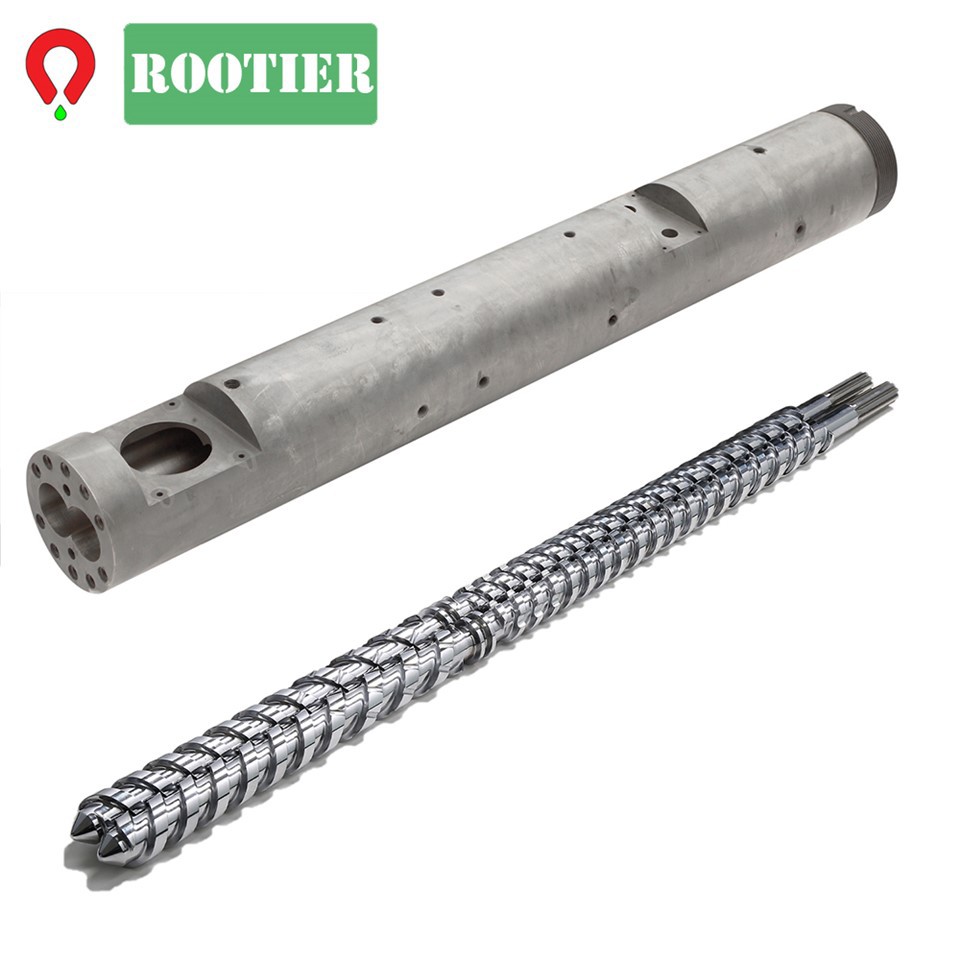

If you're in the market for a conical barrel or have any questions about our products, we'd love to hear from you. Whether you need a Twin Screw Extruder Barrel, a Double Screw Extruder Barrel, or a Parallel Twin Screw Barrel, we're here to help. Reach out to us for a detailed discussion about your needs, and let's see how we can work together to make your production process more efficient and successful.
References
- "Industrial Extrusion Technology" - A comprehensive guide on extrusion processes and equipment, including conical barrels.
- "Materials Science for Engineering Applications" - Covers the properties of materials used in the internal components of conical barrels.


