

As a trusted supplier of PM (Powder Metallurgy) Screws, I often encounter inquiries from clients about the maximum pressure that PM Screws can withstand. This is a crucial question, especially for industries that rely on high - performance screw systems in their manufacturing processes. In this blog, I will delve into the factors that determine the maximum pressure capacity of PM Screws, the benefits of using PM Screws in high - pressure applications, and how our products stand out in the market.
Understanding PM Screws
PM Screws are manufactured using powder metallurgy technology, which involves compacting metal powders into a desired shape and then sintering them at high temperatures. This process results in a screw with a highly homogeneous microstructure and excellent mechanical properties. Compared to traditional screws, PM Screws offer superior strength, wear resistance, and corrosion resistance, making them ideal for demanding applications.
Factors Affecting the Maximum Pressure Capacity
Material Composition
The material used in the production of PM Screws plays a significant role in determining their maximum pressure capacity. Different metal powders can be combined to create alloys with specific properties. For example, alloys containing high - strength elements such as nickel, chromium, and molybdenum can enhance the screw's ability to withstand high pressures. At our company, we carefully select the material composition based on the intended application of the screw, ensuring that it can handle the required pressure levels.
Screw Design
The design of the PM Screw also affects its pressure - bearing capacity. Factors such as the pitch, diameter, and helix angle of the screw can influence how it distributes the pressure along its length. A well - designed screw will evenly distribute the load, preventing stress concentrations that could lead to failure. Our team of engineers uses advanced design software to optimize the screw design for maximum pressure resistance, taking into account the specific requirements of each application.
Manufacturing Process
The quality of the manufacturing process is crucial for ensuring the maximum pressure capacity of PM Screws. Precise control of the powder compaction and sintering processes is necessary to achieve the desired density and mechanical properties. Any defects or inconsistencies in the manufacturing process can weaken the screw and reduce its ability to withstand high pressures. We adhere to strict quality control measures throughout the manufacturing process, using state - of - the - art equipment and techniques to produce high - quality PM Screws.
Benefits of Using PM Screws in High - Pressure Applications
High Strength
One of the main advantages of PM Screws is their high strength. They can withstand much higher pressures than traditional screws, making them suitable for applications where high - pressure processing is required. For example, in the injection molding industry, PM Screws can handle the high pressures generated during the injection of molten plastic into the mold, ensuring consistent and high - quality production.
Wear Resistance
PM Screws also offer excellent wear resistance, which is essential in high - pressure applications where the screw is subjected to constant friction and abrasion. The homogeneous microstructure of PM Screws provides a smooth surface finish, reducing the wear rate and extending the service life of the screw. This not only reduces maintenance costs but also improves the overall efficiency of the production process.
Corrosion Resistance
In some high - pressure applications, the screw may be exposed to corrosive environments. PM Screws are resistant to corrosion, thanks to the use of corrosion - resistant alloys in their manufacturing. This makes them suitable for applications in industries such as chemical processing and food production, where corrosion can cause significant damage to the equipment.
Our PM Screw Products
As a leading supplier of PM Screws, we offer a wide range of products to meet the diverse needs of our clients. Our PM Screws are available in various sizes, designs, and material compositions, allowing us to provide customized solutions for different applications.

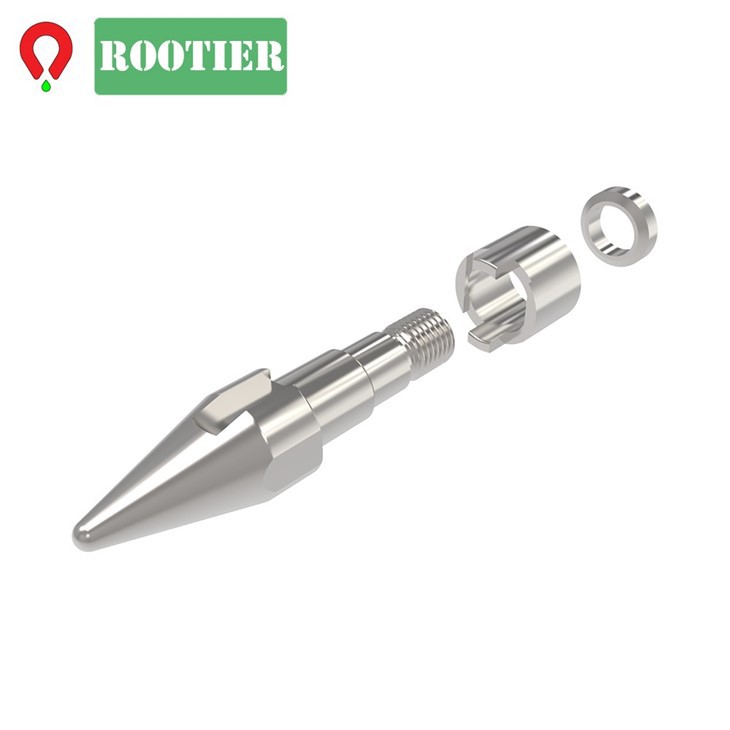
We also offer Bimetallic Injection Screw, which combines the advantages of two different materials to enhance the performance of the screw. The bimetallic design provides excellent wear resistance and corrosion resistance, making it suitable for high - pressure injection molding applications.
In addition, our Bimetallic Barrel is designed to work in conjunction with our PM Screws, providing a complete solution for high - pressure processing. The bimetallic barrel offers superior heat transfer properties and wear resistance, ensuring efficient and reliable operation.
For applications where glass fiber is used, we offer Screw Barrel Glass Fiber products. These products are specifically designed to handle the abrasive nature of glass fiber, providing long - lasting performance in high - pressure glass fiber - reinforced plastic processing.
How to Determine the Maximum Pressure for Your Application
Determining the maximum pressure that a PM Screw can withstand for your specific application requires a detailed analysis of the process requirements. Our team of experts can work with you to understand your needs and provide professional advice on the selection of the appropriate PM Screw. We will consider factors such as the type of material being processed, the processing temperature, the pressure requirements, and the operating environment to recommend the best solution for your application.
Contact Us for Purchase and Negotiation
If you are interested in our PM Screw products or have any questions about the maximum pressure capacity of our screws, please feel free to contact us. Our sales team is ready to assist you with your purchase and negotiation. We are committed to providing high - quality products and excellent customer service, and we look forward to working with you to meet your high - pressure application needs.
References
- "Powder Metallurgy: Principles and Applications" by Randall M. German
- "Injection Molding Handbook" by O. Sabau and M. Culbertson
- "Materials Science and Engineering: An Introduction" by William D. Callister, Jr. and David G. Rethwisch


