

Hey there! I'm a supplier of Screw Tip Mixing products, and today I wanna talk about how to prevent clogging in screw tip mixing. It's a common headache for many in the plastic - machinery industry, but with the right knowledge and strategies, we can keep those mixers running smoothly.
First off, let's understand why clogging happens in the first place. One of the main culprits is the accumulation of plastic residues. Over time, as the plastic passes through the screw tip mixer, some of it sticks to the inner walls and components. This buildup can gradually restrict the flow of plastic, leading to clogging. Another reason could be the use of low - quality plastic materials. If the plastic has impurities or inconsistent melting points, it can cause uneven flow and blockages.

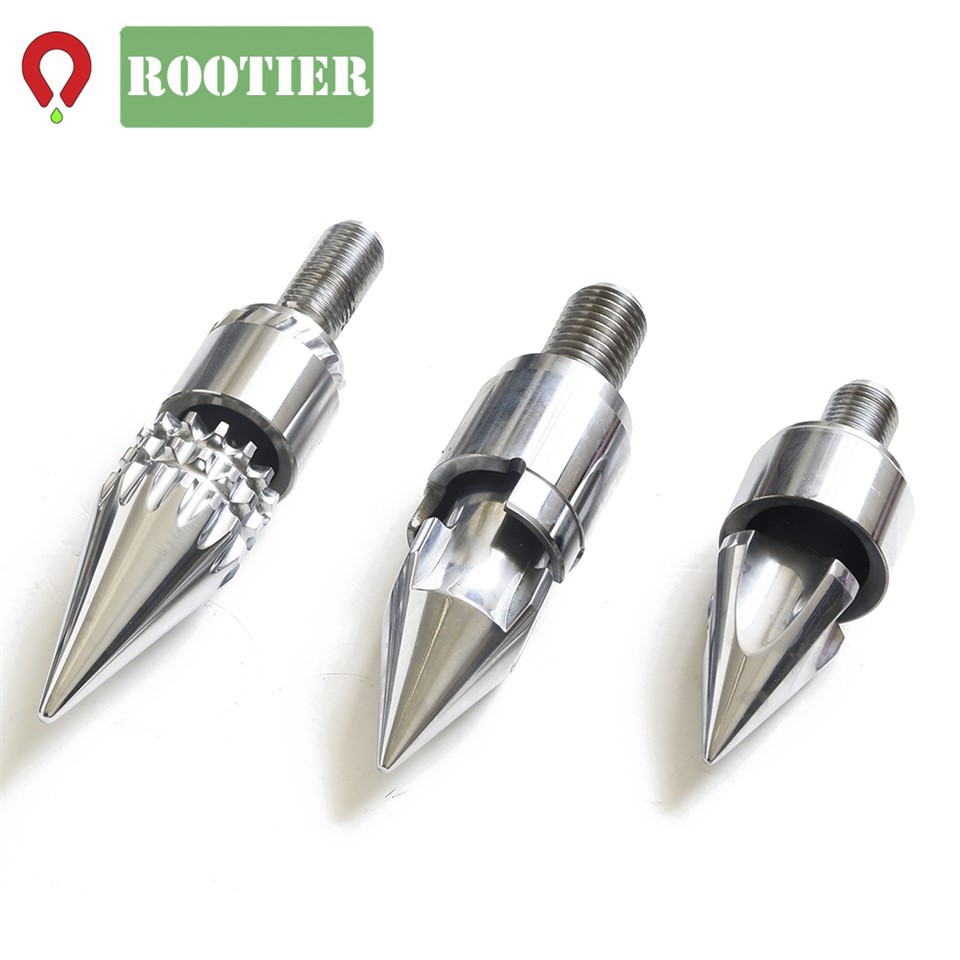
Now, let's dive into some practical ways to prevent clogging.
1. Regular Cleaning and Maintenance
This is a no - brainer. Just like you clean your car regularly to keep it in good shape, your screw tip mixer needs the same kind of TLC. Set up a regular cleaning schedule. After each production run or at least once a day if you're running continuous operations, disassemble the screw tip mixer and clean all the parts thoroughly. Use appropriate cleaning agents that are compatible with the plastic materials you're using. For example, if you're working with polycarbonate, you need to choose a cleaner that won't damage the mixer's components while effectively removing the plastic residues.
You can also use specialized cleaning tools. There are brushes and scrapers designed specifically for cleaning screw tip mixers. These tools can reach into the nooks and crannies where plastic residues tend to accumulate. And don't forget to inspect the parts during cleaning. Look for signs of wear and tear, like scratches or dents, which can also contribute to clogging. If you find any damaged parts, replace them immediately. You can find high - quality replacement parts at our website, including Screw Tip Mixing, Screw Tip Valve Set, and Ring Plunger Set Injection Molding.
2. Choose the Right Plastic Materials
As I mentioned earlier, the quality of the plastic you use matters a lot. Always source your plastic from reliable suppliers. Check the plastic's specifications, including its melting point, viscosity, and purity. High - quality plastics with consistent properties will flow more smoothly through the screw tip mixer, reducing the risk of clogging.
It's also a good idea to test new plastic materials before using them in large - scale production. Run a small batch through the mixer and monitor the flow. If you notice any issues, like uneven melting or excessive residue buildup, you might want to look for an alternative material.
3. Optimize the Mixer Settings
The settings of your screw tip mixer can have a big impact on clogging. Pay attention to the temperature, pressure, and speed settings. The temperature should be set according to the melting point of the plastic you're using. If the temperature is too low, the plastic won't melt properly and can cause blockages. On the other hand, if it's too high, the plastic can degrade and form hard deposits inside the mixer.
The pressure and speed settings also need to be balanced. A too - high pressure can force the plastic through the mixer too quickly, leading to uneven mixing and potential clogging. A too - low pressure, on the other hand, might not be enough to keep the plastic flowing smoothly. Experiment with different settings to find the optimal combination for your specific plastic materials and production requirements.
4. Install a Filtration System
A filtration system can be a game - changer when it comes to preventing clogging. It can catch any impurities or large particles in the plastic before they reach the screw tip mixer. There are different types of filtration systems available, such as screen changers and melt filters. Screen changers use a series of screens with different mesh sizes to trap impurities. Melt filters, on the other hand, use a filter medium to remove contaminants from the molten plastic.
When choosing a filtration system, consider the type of plastic you're using and the level of impurities you expect. Make sure the filtration system is compatible with your screw tip mixer and can handle the flow rate of your production process.
5. Train Your Staff
Your staff plays a crucial role in preventing clogging. Make sure they're properly trained on how to operate the screw tip mixer correctly. They should know the right cleaning procedures, how to adjust the settings, and how to identify early signs of clogging. Provide regular training sessions to keep their skills up - to - date.
Encourage your staff to report any issues they notice immediately. Early detection can prevent minor problems from turning into major clogging disasters. And remember, a well - trained staff is more likely to take good care of the equipment, which ultimately leads to fewer clogging problems.
6. Use Anti - Adhesive Coatings
Anti - adhesive coatings can be applied to the inner surfaces of the screw tip mixer. These coatings reduce the friction between the plastic and the mixer's components, making it less likely for the plastic to stick. There are different types of anti - adhesive coatings available, such as PTFE (polytetrafluoroethylene) coatings.
Before applying an anti - adhesive coating, make sure the surface of the mixer is clean and free of any residues. Follow the manufacturer's instructions carefully when applying the coating. Keep in mind that these coatings may need to be reapplied periodically to maintain their effectiveness.
In conclusion, preventing clogging in screw tip mixing requires a combination of regular maintenance, proper material selection, optimized settings, and the use of appropriate technologies. By following these tips, you can significantly reduce the risk of clogging and keep your production process running smoothly.
If you're interested in learning more about our Screw Tip Mixing products or have any questions about preventing clogging, don't hesitate to reach out. We're here to help you find the best solutions for your plastic - machinery needs. Whether you need Screw Tip Mixing, Screw Tip Valve Set, or Ring Plunger Set Injection Molding, we've got you covered. Let's start a conversation and see how we can work together to improve your production efficiency.
References:
- Plastic Machinery Handbook: A comprehensive guide on operating and maintaining plastic machinery.
- Journal of Plastics Processing: Articles on the latest research and best practices in plastic processing.


